Ask five editors about video editing cost and you will get five different answers, all of them honest. The price of an edit is really the price of hours, and the number of hours depends on footage, length, polish and how many people need to sign off. A 30-second clip for social and a 3-minute brand film can both be called "a video" and differ in cost by a factor of ten.
This guide breaks down how editing is priced, what published labor data says about an editor's time, what moves a quote up or down, and how to brief an editor so you pay for editing rather than for guesswork.
How video editing cost is calculated
Almost every quote, whether it is written as hourly, per project or per finished minute, comes back to time. The budgeting formula we use is simple: estimated editing hours multiplied by the editor's rate, plus add-ons, plus a buffer for revision rounds — larger when several stakeholders will give feedback.
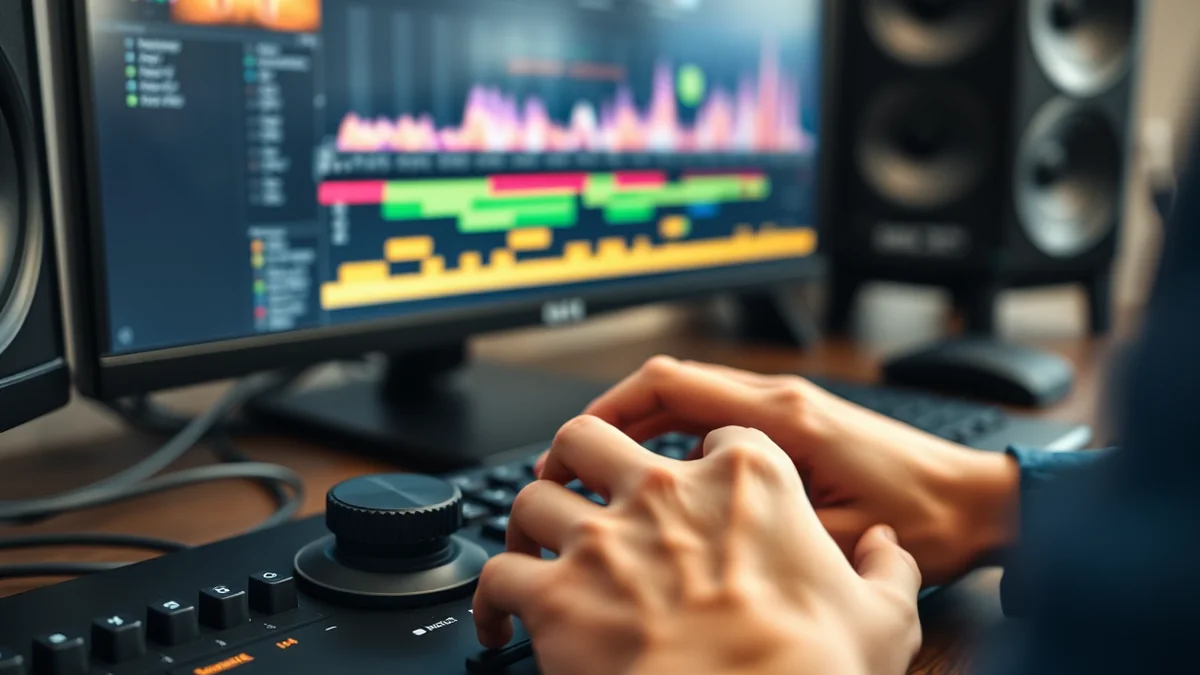
The formula is useful because it shows where the money goes. Hours are driven by how much raw footage there is to review, how complex the cut is, and how much finishing is needed: color, sound, captions, motion graphics. Add-ons are things like licensed music, stock footage or thumbnails. The revision buffer covers the feedback rounds that almost every project needs.
What an editor's hour is worth
Experience and specialism move the rate more than anything else. Rather than trust a single published price list, match the level of editor to what the video actually needs.
| Experience level | Usually suited to | What you are paying for |
|---|---|---|
| Entry-level | Basic cuts, simple social clips, light clean-up | Speed on routine work, with more direction needed from you |
| Intermediate | YouTube edits, corporate videos, interview-led pieces | Pacing and story judgment, fewer revision rounds |
| Senior or specialist | Commercials, branded films, complex multi-camera timelines | Grading, sound, motion graphics and taste under pressure |
For comparison with employment, O*NET, the US Department of Labor's occupation database, reports a 2025 median wage for film and video editors of $36.26 an hour, or $75,420 a year. A freelancer's rate sits above an employee's wage for good reason: it has to cover software, hardware, storage, unpaid admin time and the gaps between projects.
Typical video editing cost per project
Per-project quotes are easier to budget against, but they are still hours in disguise. This is how the common deliverables compare on the things that drive those hours.
| Deliverable | What drives the hours | Relative cost |
|---|---|---|
| Short social clip (TikTok, Reels, Shorts) | Hook, captions, pacing; little footage | Lowest, especially in batches |
| YouTube edit | Length of raw recording, b-roll, graphics, sound clean-up | Moderate; falls once a template is set |
| Corporate interview | Hours of interview to review, multi-camera sync, stakeholder review | Moderate to high |
| Ad creative | Several variants and aspect ratios, tight pacing, brand and legal approval | High for its length |
| Event highlight | Hours of footage to select from, music sync, storytelling | High for its length |
Notice that length is a weak predictor. A short ad creative can cost more than a long YouTube edit, because ads often need several variants, tight pacing, and approval from brand and legal teams. An event highlight is short but starts from hours of footage that someone has to watch.
What pushes the price up or down
- Footage volume. Two hours of interviews for a two-minute film means the editor watches everything before cutting anything.
- Multi-camera and audio. Syncing cameras and cleaning up noisy sound are separate, time-consuming jobs.
- Motion graphics and titles. Animated lower thirds, charts and logo animations add hours quickly.
- Color grading. Matching shots from different cameras and lighting conditions is a skill of its own.
- Captions and versions. Every aspect ratio, language or cut-down is extra work. YouTube's upload guidance names 16:9 as the standard aspect ratio on a computer, so a vertical cut for Shorts or Reels usually means re-framing shots, not just exporting again.
- Stakeholders. Each extra approver tends to add a revision round.
- Turnaround. Rush jobs usually cost more, because the editor has to move other work to fit yours in.
Hourly, per video or retainer?
Each billing model shifts risk between you and the editor. Neither side should carry all of it.
| Model | Best for | Risk to watch |
|---|---|---|
| Hourly | Unclear scope, messy footage, exploratory edits | Open-ended totals; ask for an estimate and a cap |
| Per video (fixed) | Well-defined deliverables with a set revision count | Extra rounds billed as change requests |
| Monthly retainer | A steady flow of social clips or episodes | Paying for capacity you do not use |
For recurring content, such as weekly social clips or a podcast, a retainer usually works out better than per-video pricing, because the editor learns your style and the setup cost is paid once. For a one-off brand film, a fixed quote with a defined number of revision rounds gives the most certainty.
Freelancer, in-house editor or studio
Who does the work changes the video editing cost as much as the rate does. The right choice depends on volume, consistency and how much of the process around the edit you want handled for you.
- Freelancer. Usually the lowest cost for one-off or occasional work. Quality ranges widely, so review a portfolio that matches your format, not just a showreel.
- In-house editor. Makes sense when there is enough steady work to fill a full-time role. Budget for the salary plus software, a capable workstation and storage, which a freelancer would otherwise carry.
- Studio or agency. Costs more per hour, but covers project management, backup when someone is away, and adjacent skills such as motion graphics, thumbnails and copy under one brief.
Costs that sit outside the edit
Quotes often cover the edit alone. Check who pays for licensed music and stock footage, whether project files are handed over at the end, how long raw footage is stored, and whether captions or translated versions are included. None of these is large on its own, but together they are where a video editing cost quietly grows after the quote is signed.
Ask, too, about ownership. You should receive the final files and, if you may want to re-cut later, the project files and any graphics templates made for you. Agree this in writing before work starts, not after the invoice arrives.
How to brief an editor and keep the cost down
- Start with the goal and the platform. A YouTube explainer and a 15-second paid ad are edited differently.
- Share a reference. One example of the style you want saves a revision round.
- Organize the footage. Label files, flag the best takes, and cut obvious waste before handing over.
- Provide brand assets. Logos, fonts, colors and any approved music in one folder.
- Name one approver. Consolidate feedback into a single list per round.
- Agree the revision count up front, and what counts as a revision versus a new request.
If the video is going into paid social or YouTube ads, plan the variants at the brief stage. Ad platforms reward testing, and cutting three hooks from the same footage is far cheaper than commissioning three separate edits later. We cover how ad budgets and management fees fit together in our guide to PPC management cost.
Getting a video edited with us
We do not publish a rate card, because the right video editing cost depends on your footage, the deliverables and how much finishing each one needs. Our video editing service starts with a short scoping call and a look at a sample of your footage, then a written quote with hours, revision rounds and turnaround stated plainly. Where a project needs thumbnails, title cards or other stills, our graphic design team works from the same brand assets.
If you have footage waiting or a series you want to launch, tell us what you are making. You will hear back within one business day.
Frequently asked questions
What is the average cost of video editing?
There is no reliable single average, because cost follows hours and hours follow footage, finish and approvals. For a labor benchmark, O*NET reports a 2025 US median wage of $36.26 an hour for employed film and video editors; freelance rates sit above that to cover software, equipment and unbilled time. Ask any editor to quote hours as well as a price.
What is the 80/20 rule in video editing?
It is the Pareto principle applied to editing: a small share of the work — structure, pacing and clean audio — delivers most of what the viewer experiences. Editors use it to prioritize getting the story right before spending hours on polish. It is a rule of thumb, not a measured ratio.
How much should you pay someone to edit a video?
Estimate the editing hours and multiply by a rate that matches the skill the video needs, then add a buffer for revisions. Simple social clips suit entry-level editors; commercials and complex branded work justify senior specialists. Always agree the number of revision rounds before work starts.
How much to edit a 2 minute video?
It depends on footage and finish, not length. A two-minute talking-head clip from one camera with clean audio is a short job; a two-minute film cut from hours of interviews, with graphics, grading and several approvers, can take days. Send the editor a sample of the footage and a reference video, and ask for an hours estimate before agreeing a price.
Is it cheaper to pay per video or per hour?
Per video is usually cheaper and more predictable for well-defined, repeatable deliverables. Hourly is fairer when footage is messy or scope is unclear, as long as you ask for an estimate and a cap. For a steady flow of content, a monthly retainer often beats both.